
Managing people is one of the most critical responsibilities of any organization. As companies grow, HR tasks become more complex—tracking attendance, processing payroll, managing compliance, onboarding employees, and monitoring performance. Relying on spreadsheets, emails, and disconnected tools may work temporarily, but it quickly leads to inefficiencies, errors, and compliance risks.
This is where HR software comes in. But what exactly is HR software, and how do you choose the right one for your business? This guide breaks it down step by step.
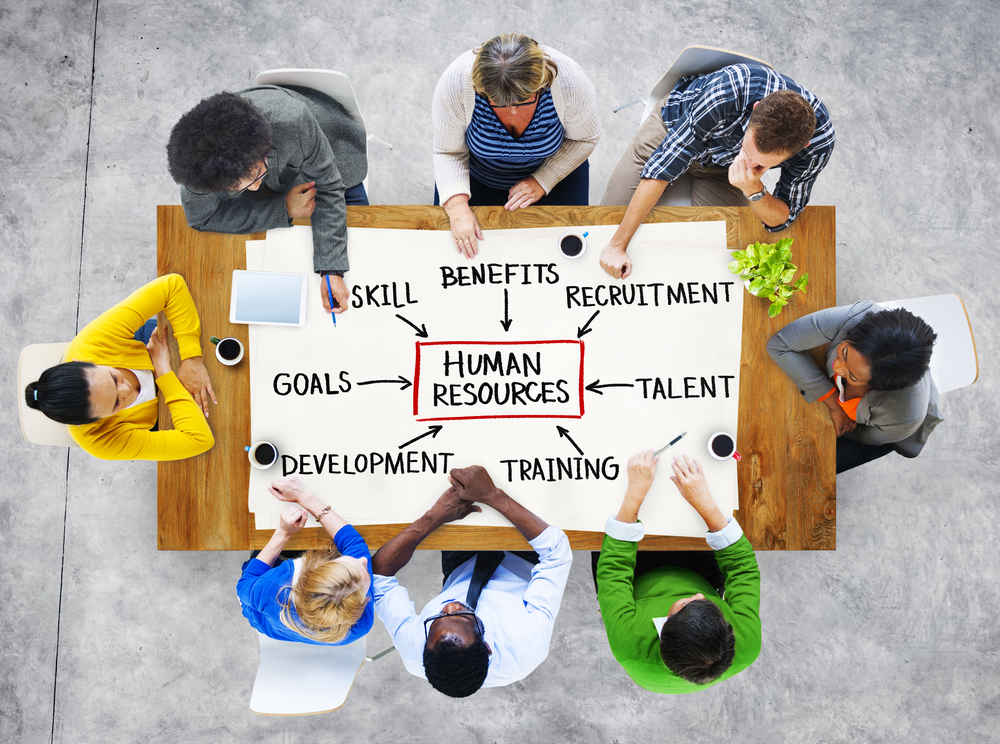
What Is HR Software?
HR software, also known as an HRMS (Human Resource Management System) is a digital platform designed to manage and automate human resource processes across the employee lifecycle.
Instead of handling HR tasks manually, HR software centralizes all employee-related information and workflows into a single system. This helps HR teams, managers, and leadership make faster, more informed decisions while reducing administrative effort.
Core Functions of HR Software
Most modern HR software includes a combination of the following features:
1. Employee Data Management
HR software acts as a single source of truth for employee records. Personal details, job roles, documents, salary history, and performance data are securely stored and easily accessible.
2. Attendance & Time Tracking
Automated attendance tracking eliminates manual registers and reduces time theft. Employees can log in, mark attendance, and track work hours accurately.
3. Leave Management
Employees can apply for leave digitally, managers can approve requests instantly, and HR gets real-time visibility into leave balances and patterns.
4. Payroll Management
Payroll automation ensures accurate salary calculations, deductions, reimbursements, and compliance with statutory requirements—without last-minute errors.
5. Onboarding & Offboarding
HR software streamlines onboarding by automating document collection, task assignments, and policy acknowledgements. Offboarding processes are also managed systematically.
6. Performance Management
From goal setting to appraisals and feedback, HR software helps track employee performance and support continuous improvement.
7. Compliance & Reporting
Built-in compliance tools help organizations meet labor laws and statutory requirements while generating audit-ready reports.
Why HR Software Is Essential for Modern Businesses
In today’s fast-paced business environment, HR software is not a luxury—it’s a necessity.
Increased Efficiency
Automating repetitive HR tasks frees up time for HR teams to focus on strategic initiatives like talent development and employee engagement.
Reduced Errors
Manual processes increase the risk of payroll mistakes, data duplication, and missed deadlines. HR software ensures accuracy and consistency.
Better Employee Experience
Self-service portals empower employees to access payslips, apply for leave, raise requests, and update information without HR dependency.
Scalability
As companies grow, HR software scales effortlessly—unlike manual systems that collapse under increased workload.
Types of HR Software
Before choosing HR software, it’s important to understand the different types available:
1. Basic HR Software
Covers employee records, attendance, and leave management. Suitable for small teams with limited HR needs.
2. Payroll-Focused HR Software
Primarily designed for salary processing and compliance, often integrated with attendance systems.
3. Comprehensive HRMS
An all-in-one solution covering core HR, payroll, performance, workflows, analytics, and employee self-service.
4. Cloud-Based HR Software
Accessible anytime, anywhere. Ideal for remote teams and organizations with multiple locations.
How to Pick the Right HR Software for Your Company
Choosing HR software is a strategic decision. Here are the key factors to consider:
1. Understand Your Business Needs
Start by identifying your pain points:
- Are payroll errors a recurring issue?
- Is attendance tracking inefficient?
- Are approvals delayed due to manual processes?
- Is HR spending too much time on administrative work?
Define what problems you want the software to solve—both now and in the future.
2. Look for Automation, Not Just Digitization
True HR software goes beyond digital record-keeping. It should:
- Automate workflows
- Trigger approvals
- Send reminders
- Generate reports automatically
Automation is where real efficiency and ROI come from.
3. Ease of Use Is Critical
HR software should be intuitive for HR teams, managers, and employees alike. A complex system with a steep learning curve often leads to low adoption and underutilization.
Look for:
- Clean dashboards
- Simple navigation
- Employee self-service features
4. Integration Capabilities
Your HR software should integrate seamlessly with:
- Accounting systems
- Biometric devices
- Performance tools
- Other business platforms
Integration prevents data silos and ensures smooth operations.
6. Data Security & Compliance
HR data is sensitive. Ensure the software offers:
- Secure data storage
- Role-based access controls
- Compliance with labor laws and data protection standards
This is especially important for payroll and employee records.
7. Customization & Flexibility
Every organization has unique HR policies and workflows. Choose software that allows customization without heavy technical dependency.
8. Reporting & Analytics
Actionable insights are a major advantage of HR software. Look for:
- Real-time dashboards
- Custom reports
- Workforce analytics
These insights help leadership make informed decisions about hiring, productivity, and retention.
9. Support & Implementation
Even the best software can fail without proper onboarding and support. Evaluate:
- Implementation timelines
- Training availability
- Customer support responsiveness
Reliable support ensures long-term success.
The Future of HR Software
HR software is evolving rapidly. Key trends include:
- AI-driven insights
- Predictive workforce analytics
- Mobile-first HR platforms
- Personalized employee experiences
- Advanced automation and self-service
Choosing the right HR software today prepares your organization for tomorrow.
Final Thoughts: Choosing the Right HR Partner
HR software is more than a tool—it’s the backbone of modern people management. The right solution simplifies operations, improves compliance, enhances employee experience, and supports business growth.
MOM Digital HRMS is designed to meet these needs with a unified, scalable, and intuitive platform that brings together core HR, payroll, workflows, performance management, and real-time analytics. By choosing MOM Digital, organizations can move beyond manual HR challenges and build a smarter, more efficient, and future-ready workforce.
Smarter HR starts with the right software—and the right partner. MOM Digital makes it possible.
 Save 10+ hours/week with AI automation -Automate payroll, leave management & compliance